Mission gallery · from plans to launch day

See the space agency come to life.

Spacecrafted is one shared mission built from many different jobs. Students design the ground systems, develop the launch vehicle, measure its performance, protect the payload and turn every flight into evidence for the next mission.

Command & Control

Build the ground system.

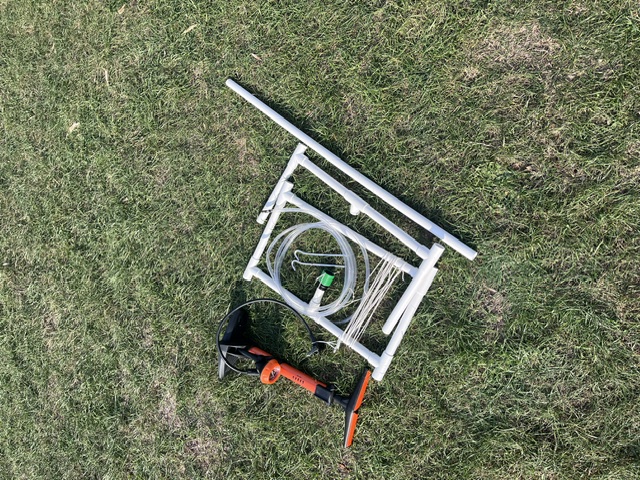
The agency needs a safe, repeatable way to launch. Command & Control develops a portable launch base that can be carried to the launch site, assembled for operations and folded flat again for storage.

Flat-packed launch base and launch equipment
1

Portable by design

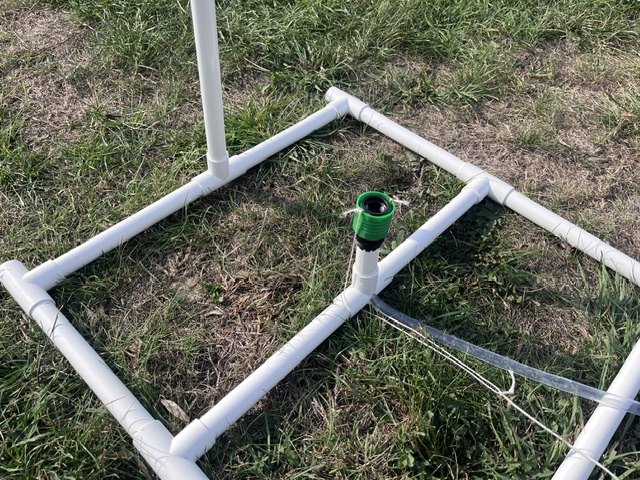
The base is made as a practical field system: lightweight components, a compact footprint and a structure that can be transported between sessions.

It looked quite simple at first, but we had to make it strong enough to hold the rocket and still fold down so we could carry it.

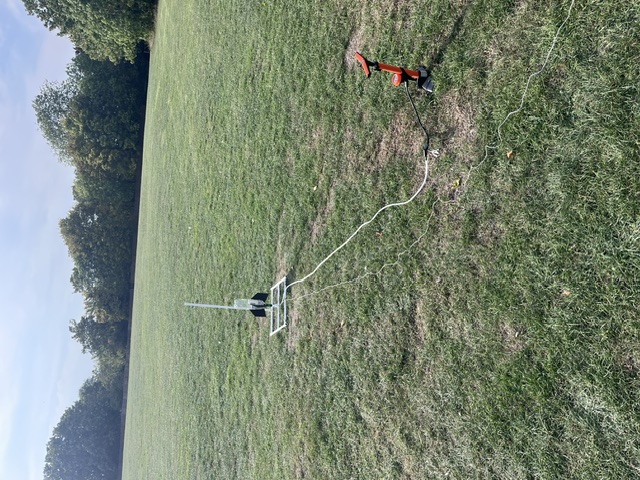
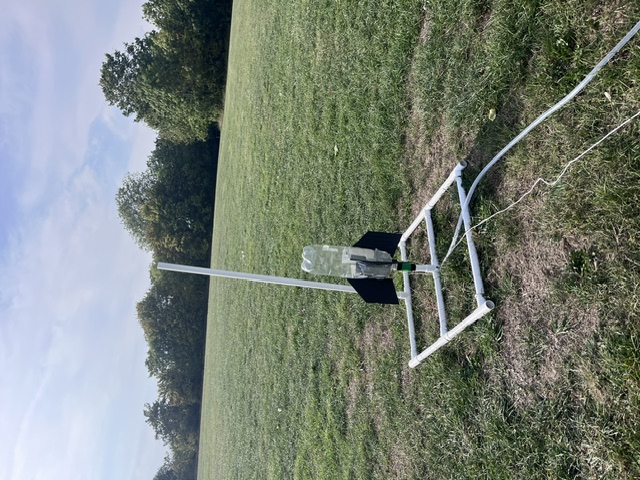
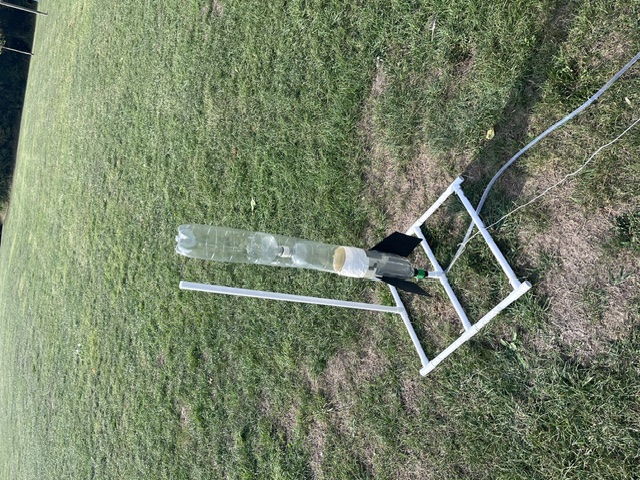
Water rocket mounted on the launch base
2

Ready the vehicle

The launcher holds the rocket upright while the agency prepares the water, pressure system, payload and launch area.

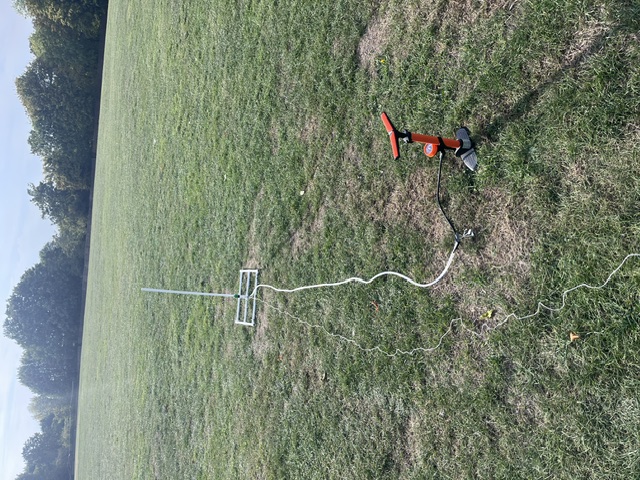
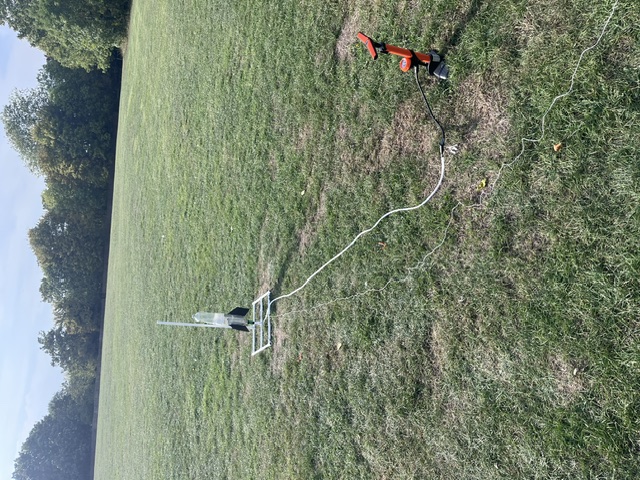
Water rocket launch base on the field
3

GO / NO-GO

Command & Control brings the teams together, checks readiness and coordinates the launch. The base is part engineering project, part operational system.

Launch Services

Build higher. Fly higher.

Launch Services develops the rocket from a single soda bottle into larger multi-bottle vehicles. The challenge is not simply to launch: teams investigate how vehicle design, water volume and air pressure affect the ability to deliver a payload to a required altitude.

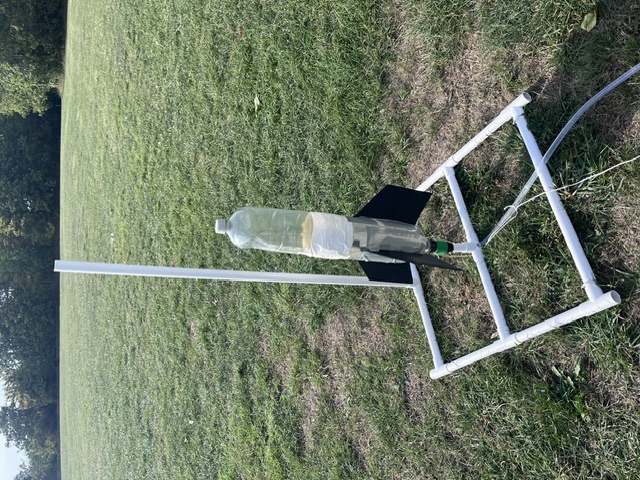
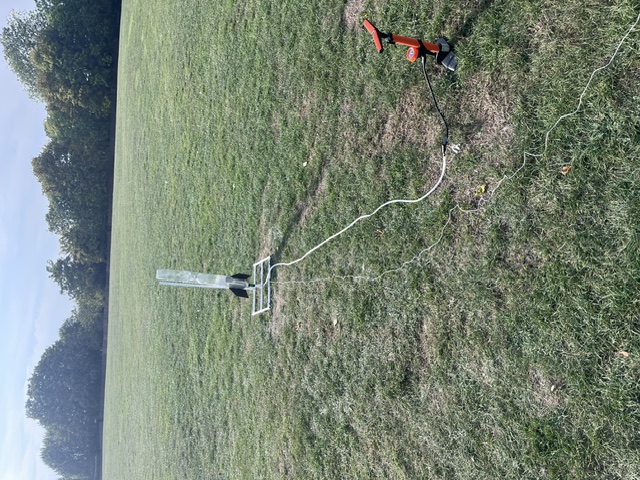
Single bottle water rocketSingle bottle water rocket on launch base
1 bottle · establish the baseline

First flight

Start with a simple vehicle. Make it stable, launch it consistently and create the performance baseline that later designs must beat.

Our first rocket gave us something to compare everything else with. Then we could see whether our changes actually made it better.

Two bottle water rocketTwo bottle water rocket on launch base
2 bottles · develop the system

Increase capability

More volume changes the vehicle. Students have to rethink mass, balance, structure and the water–air combination rather than simply making the rocket bigger.

We thought adding another bottle would automatically make it go higher. Then we realised the extra weight changes everything.

Three bottle water rocketThree bottle water rocket on launch base
3 bottles · target the mission

Engineer for altitude

The mature challenge is to hit a mission requirement: choose a design, pressure and water volume that can carry the payload to the required height.

Changing the amount of water made much more difference than I expected. We had to stop guessing and actually record what worked.

Not “whose rocket goes highest?”

The agency is learning to engineer to a requirement. A successful mission means producing a controllable, repeatable launch system and using evidence to justify the choices made.

Mission Instrumentation

Measure what really happened.

A launch is only useful if the agency can measure it. Instrumentation begins with simple geometry and develops towards onboard digital sensing — turning an exciting flight into data the whole agency can use.

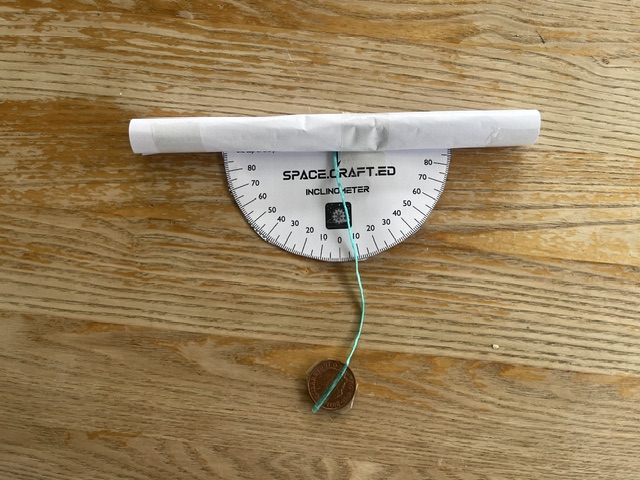
Hand-built inclinometer with protractor and plumb line
Ground instrumentation

Measure altitude with an inclinometer

Students build a simple angle-measuring instrument, stand a known distance from the launch point and use the elevation angle to estimate the rocket's altitude.

I didn’t think we could work out the height from standing on the ground. Once we measured the angle it actually made sense.

Microbit test pilot showing a happy face
Onboard instrumentation

Put a micro:bit aboard

Later missions move the sensor onto the vehicle. The micro:bit becomes both instrument and payload, opening the door to automated altitude and flight-quality measurements.

The inclinometer gave us an estimate, but the micro:bit meant we could compare our calculation with data from the flight.

The test pilot

Was it a smooth flight?

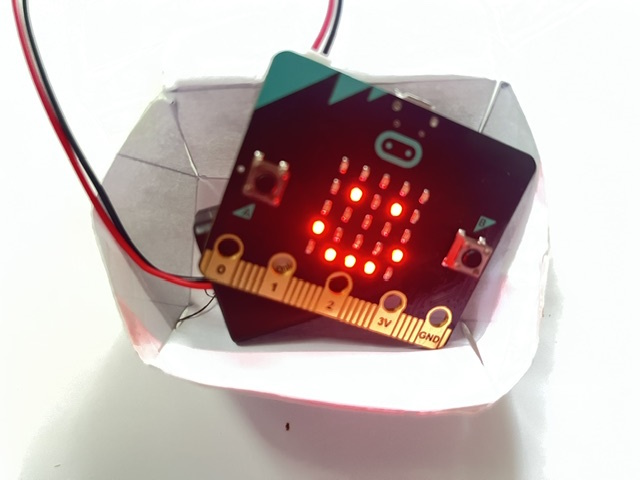
Happy microbit test pilot after a smooth flight

Happy pilot

A smoother flight produces a happier test pilot. Students can connect an immediate visual result to the acceleration data recorded during the mission.

This was our best flight. Our Test Pilot stayed happy because the launch was much smoother.

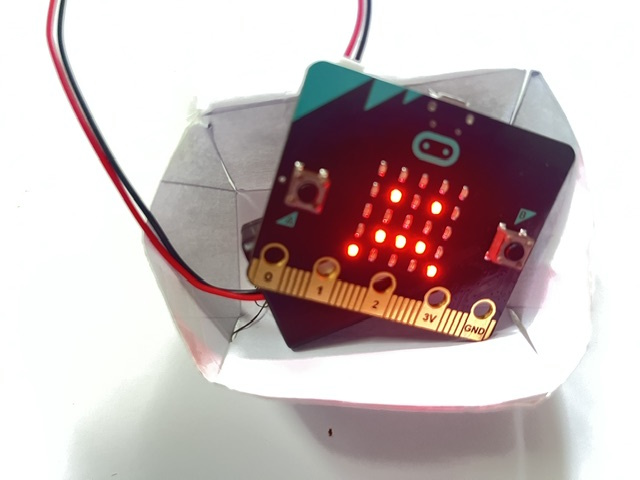
Unhappy microbit test pilot after a rough flight

Unhappy pilot

A rough liftoff gives the agency something to investigate. Was the launcher, rocket alignment, fin design or another part of the system responsible?

We thought it was a good launch until we looked at the data. The Test Pilot definitely disagreed.

Satellite Services

Keep the payload aloft.

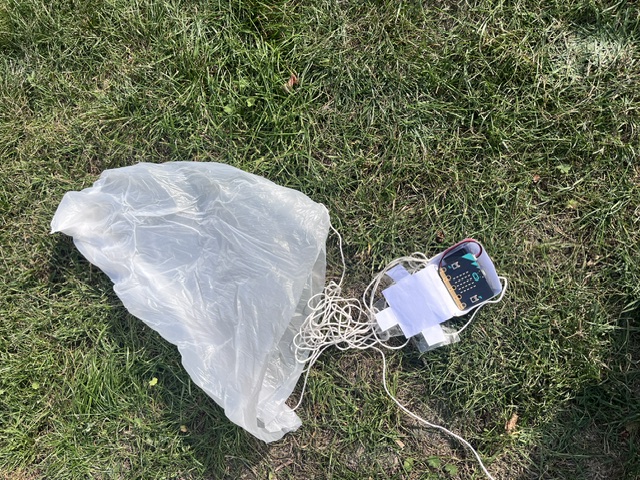
Once Launch Services has delivered the payload, Satellite Services takes over. Their problem is time: design a lightweight vehicle that keeps the payload in the air for as long as possible and brings it back in a usable condition.

Parachute carrying a microbit payload

Parachute

Explore canopy area, shape, suspension lines and payload mass. Slow the descent without creating an unstable recovery system.

Making a parachute was easy. Making one that opened quickly and kept the payload in the air was much harder.

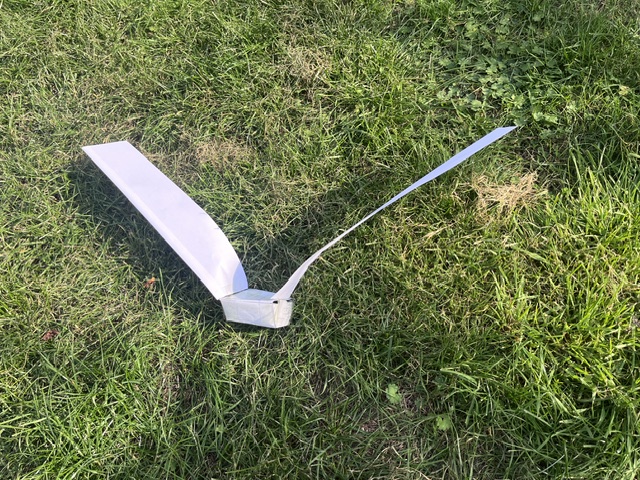
Paper autorotation helicopter recovery vehicle

Autorotation

Turn falling air into rotation. Rotor dimensions, fold angle and payload position can all become variables for investigation.

We had to change the blades several times before it started spinning properly instead of just falling.

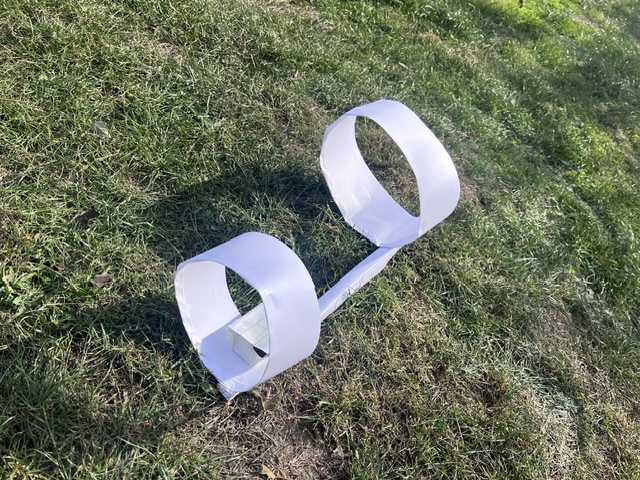
Paper hooped glider

Hooped glider

Instead of simply falling slowly, can the payload glide away from the launch vehicle? Students balance lift, drag, mass and stability.

It doesn’t look like a normal aeroplane, so I didn’t expect it to glide. We had to get the balance right or it just tipped over.

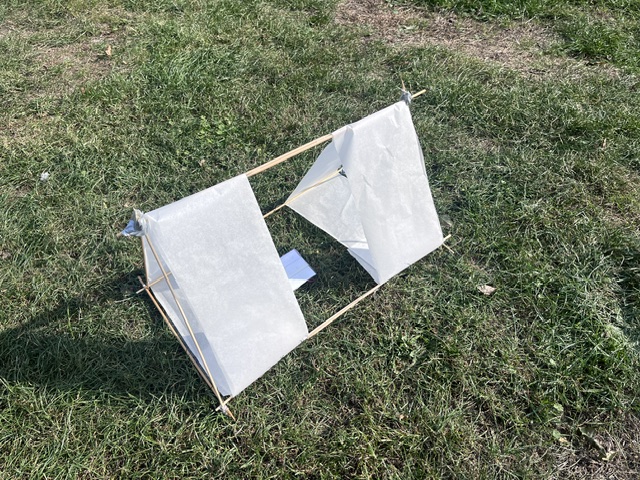
Box kite payload recovery vehicle

Box kite

A larger recovery concept introduces structure, suspended payloads and stability. The payload can hang beneath the frame and separate from the rocket at the top of the flight.

The difficult bit wasn’t just making it fly. It had to carry our payload as well.

The engineering question

Which vehicle stays up longest?

There is no single prescribed answer. Satellite Services can compare designs, change one variable at a time, gather evidence and develop a recovery system for the agency's next mission.

One shared mission

Every team changes what happens next.

01 · Command & ControlPrepare the site, coordinate readiness and decide when the agency can fly.
02 · Launch ServicesBuild and tune the vehicle to deliver the payload to the mission altitude.
03 · InstrumentationMeasure altitude and flight behaviour so performance becomes evidence.
04 · Satellite ServicesUse the altitude gained to maximise useful time aloft and recover the payload.
05 · Mission CommunicationsRecord the build, data, decisions and results so the next mission starts smarter.

That is the point of the agency model: these are not disconnected craft activities. Each team owns a different part of the same system, and the mission succeeds when their work joins together.